The Subject Committee for Computer Technologies and Software Engineering (CT and SE) of the Separate Structural Subdivision “Odesa Technical Professional College of Odesa National University of Technology” is a graduating committee and trains specialists for the educational and professional degree of “Professional Junior Bachelor” in the following EPPs:
- “Maintenance of Computer Systems and Networks”
- “Computer Graphics and Web Design”
- “Security of Computer Systems and Networks”
- “Software Development”
and for the educational level of “Bachelor” in specialty 123 Computer Engineering.
You can view the curricula for specialties 121 and 123 for all educational and professional programmes via this link.
You can view the syllabi for specialty 123 for all educational and professional programmes via this link.
You can view the guidelines for completing the training, work and pre-graduation placements for the EPP "Security of Computer Systems and Networks" in specialty 123 "Computer Engineering" via this link.
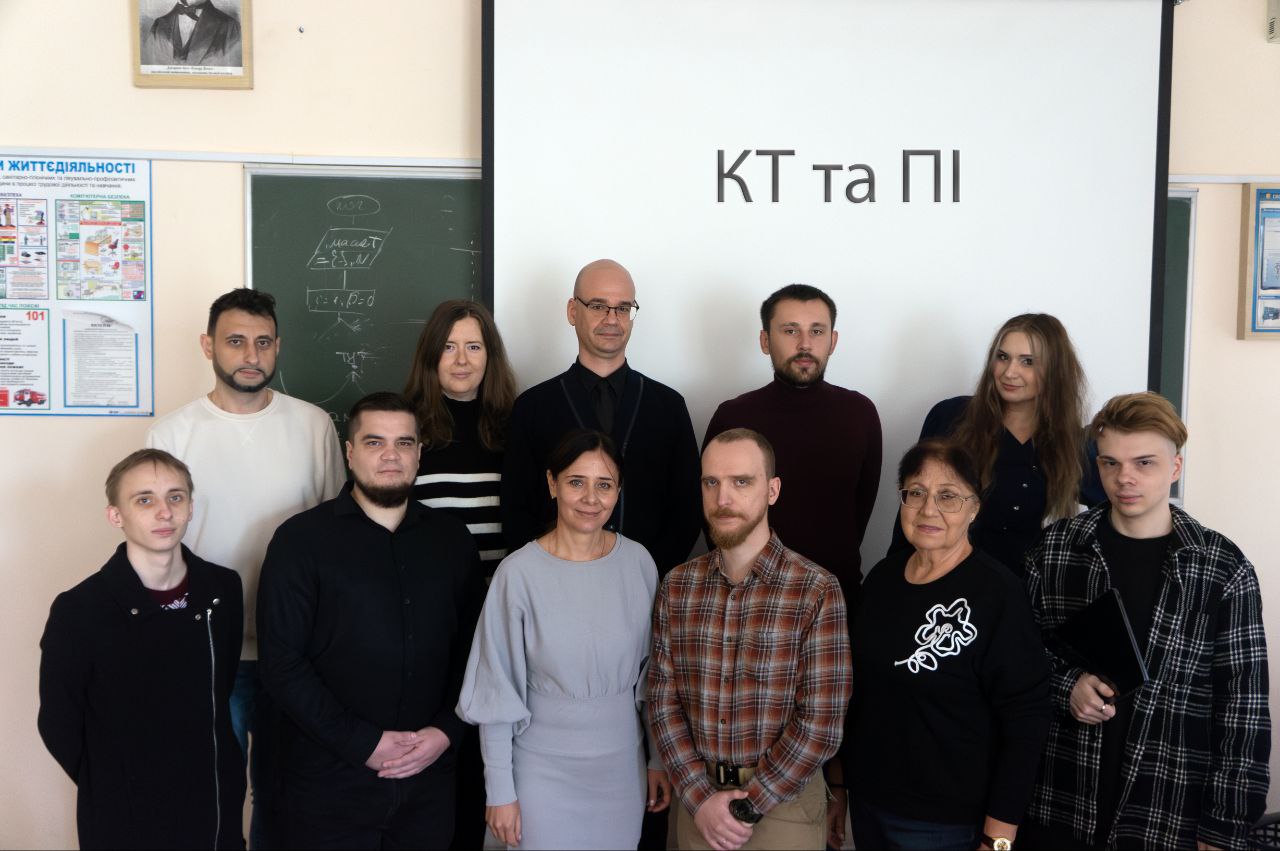
At present, the subject committee has 17 lecturers, of whom:
- permanent staff – 13
- external part-time staff – 4
Among them
The main purpose of the committee’s activities is the high-quality training and graduation of skilled, competitive specialists for field 12 – “Information Technology”
This purpose is achieved through:
- increasing the intellectual potential of the committee, developing its material and technical resources, and improving the professionalism of the teaching staff;
- introducing innovative methods of organising the educational process and using the latest educational technologies;
- developing the committee’s material and technical resources;
Achieving this purpose involves the following measures:
- improving the quality of student learning by introducing new active information and telecommunication technologies and interactive forms and methods of teaching, and expanding the use of electronic information resources and other software;
- deepening students’ general information training and developing their ability to use computer and information and communication tools effectively, which will foster their information culture and broaden the use of technologies and resources in their future work;
- preparing methodological and organisational support for students’ independent work in the committee’s courses, in electronic and paper formats;
- ensuring the required quality of teaching and methodological materials prepared by the committee’s lecturers.
Academic and methodological work is regarded as an integral system for raising the scientific, theoretical and general cultural levels and the professional skills of lecturers.
The lecturers of the CT Committee set themselves the goal not only of giving future specialists knowledge, but also of developing motivation and fostering a desire for its constant renewal and for their own self-improvement.
The main priority areas of the committee’s activities are:
- Improving the content of the committee’s courses and participating in drawing up working curricula:
1.1. Improving the content of the working curricula of specialised courses, taking into account the professional focus of their teaching. The content and structure of the committee’s courses should take greater account of the specifics of the future profession, the results of research in the given field, as well as state regulatory documents and standards of the Ministry of Education and Science of Ukraine;
1.2. Continuous updating of course programmes in line with modern requirements and relevance;
1.3. Adapting course programmes to the European educational area;
1.4. Participation of the committee’s lecturers in academic and methodological conferences and seminars to study and consolidate ways of effectively developing the future specialist;
1.5. Using role-playing and business games, individual practical assignments, test surveys and other forms of interactive training, which will consolidate theoretical knowledge and develop students’ practical skills;
1.6. Preparing for printing and publishing textbooks and study guides for the committee’s courses, and preparing for reissue those materials that have gained wide recognition among students and lecturers;
1.7. Developing textbooks for the committee’s specialised courses with content of fundamentally new quality, corresponding to the model of training a specialist for work in the technical sphere;
1.8. Developing and improving teaching and methodological literature for students’ independent work using virtual training electronic learning technologies;
1.9. Developing distance learning courses for the committee’s specialised courses based on information and communication Internet technologies;
1.10. Introducing a system for quality control of students’ learning activities and new approaches to assessing students’ knowledge in the educational process through the use of testing programmes and PCs;
1.11. Developing teaching and methodological support for work placements and pre-graduation placements based on real practical material;
1.12. Organising an effective system of supervision and providing qualified assistance to students when preparing course papers and graduation papers, with a view to their application in the economic activities of institutions, organisations and enterprises;
1.13. Developing individual forms of methodological work: internships, consulting, mutual class observation, and self-education.
- Stepping up the committee’s organisational activities.
2.1 Raising the academic and pedagogical level of the committee’s lecturers through planned professional development of the committee’s lecturers in state institutions, at departments of higher education institutions, and through internships at enterprises of the city;
2.2. Holding regular academic and methodological seminars of the committee and academic and practical conferences, to which leading specialists from state institutions and enterprises of the city and region are invited;
2.3. Promoting the introduction of the committee’s research developments into the educational process;
2.4. Involving the College’s best students in the committee’s work, taking into account their study profile and future professional focus;
2.5. Developing the committee’s human resources and encouraging staff professional development;
2.6. Identifying, studying, consolidating and disseminating the work experience of the committee’s leading lecturers;
2.7. Providing methodological assistance to lecturers of other subject committees in introducing new information technologies into the educational process.
- Informatisation of the committee’s activities, information resources and technologies for training specialists.
3.1. Stepping up the use of innovative elements needed to achieve high quality of the educational services provided by the committee and to ensure the competitiveness of graduates;
3.2. Improving the committee’s image, which will help increase the number of applicants and improve the professional training of future specialists, which in turn will help their employment;
3.3. Stepping up the creative activities of the committee’s lecturers using modern tools for creating, editing and replicating teaching and methodological literature;
3.4. Creating a website for the committee and posting on it teaching and methodological materials that make it possible to teach using computer technologies of various levels.
- Developing and improving the committee’s material and technical resources.
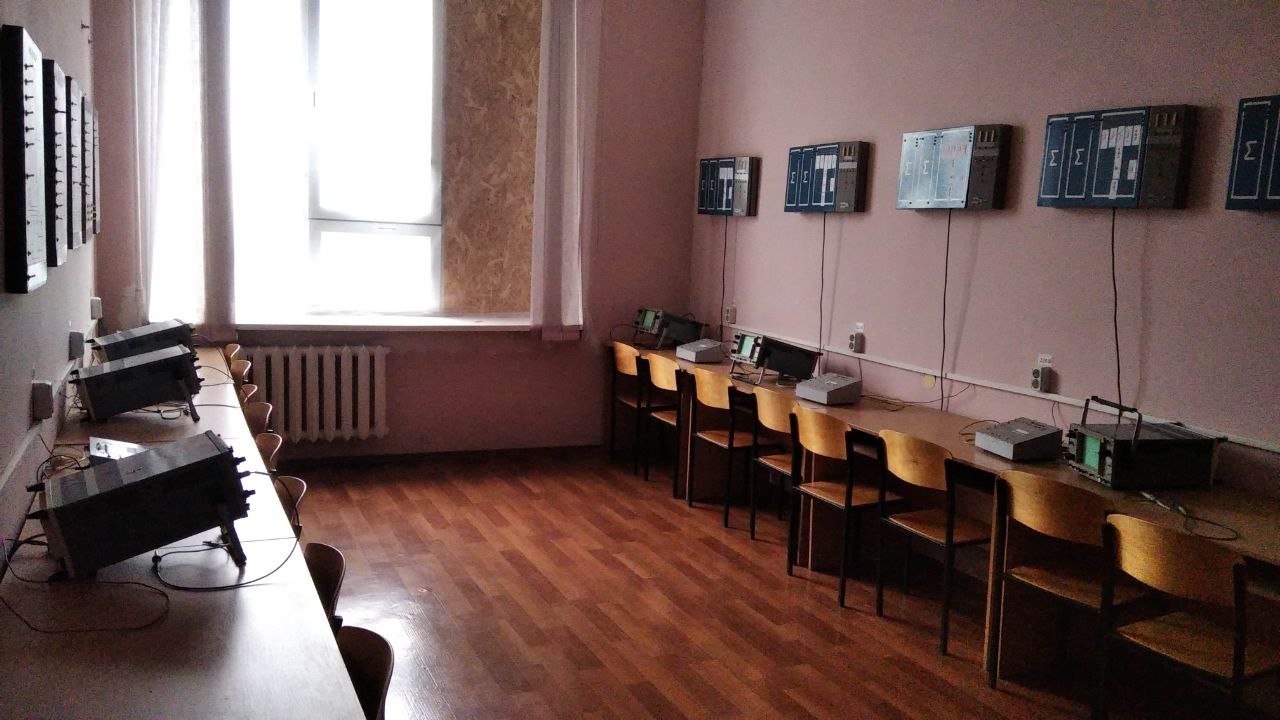
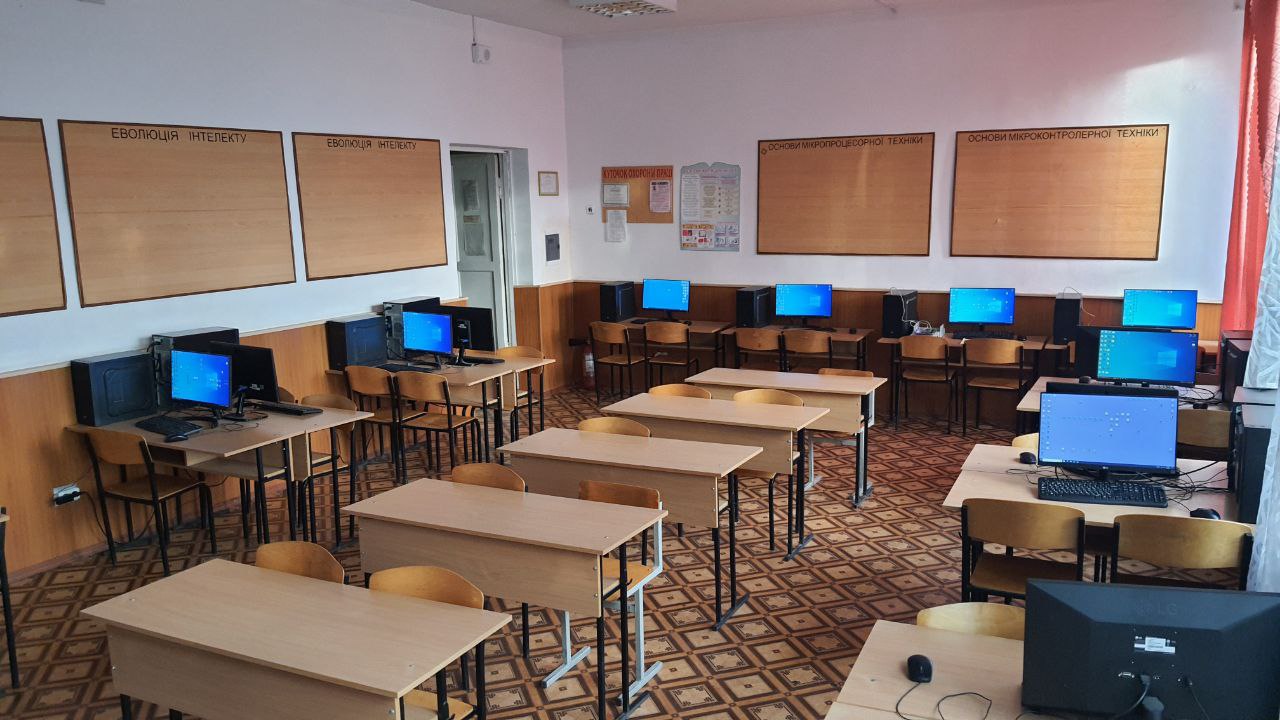
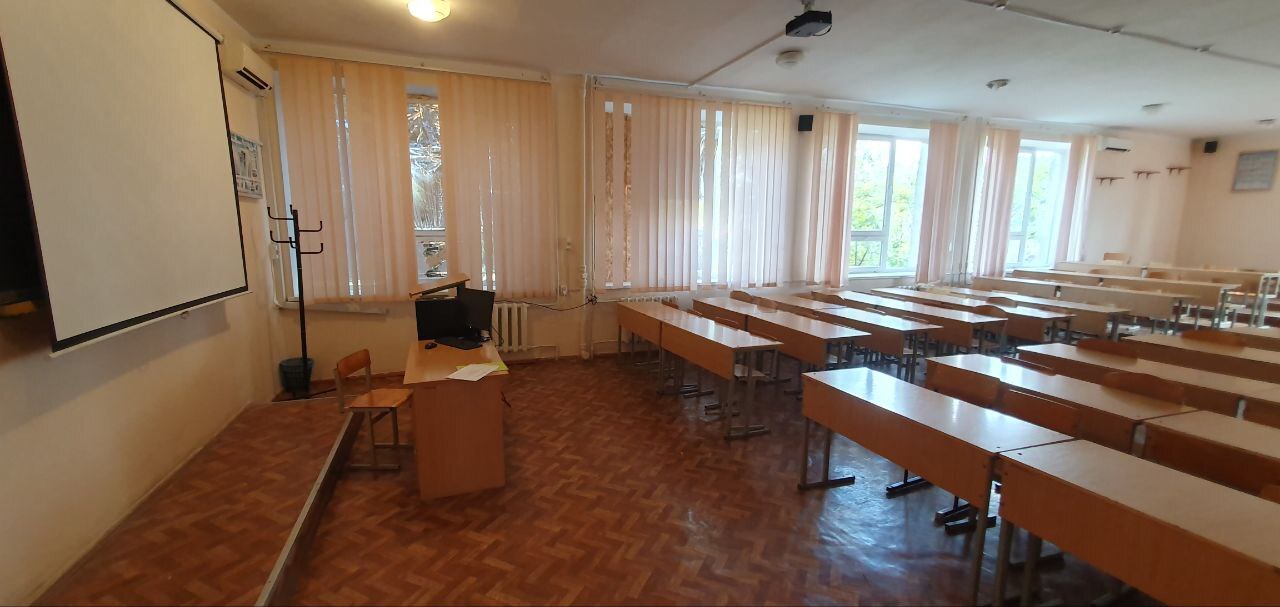
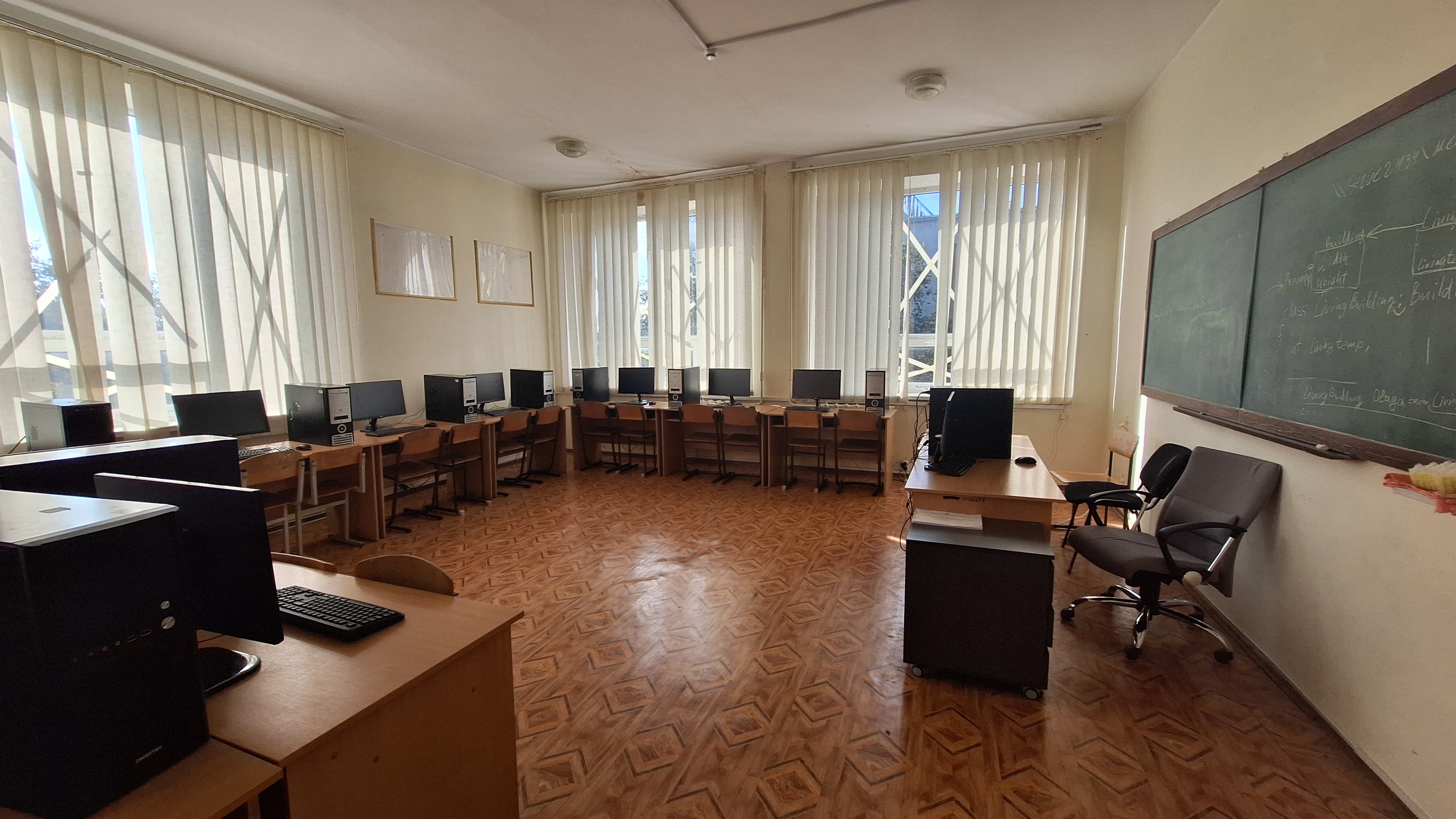
4.1. Constantly caring for the technical re-equipment, renewal and preservation of the equipment and fixtures in the classrooms and laboratories assigned to the committee;
4.2. Introducing the latest software products for personal computers for the committee’s courses into the educational process;
4.3. Technical re-equipment of the computer fleet and acquisition of licensed information and educational computer programs;
4.4. Acquiring technical teaching aids and modern laboratory equipment, modernising classrooms, replacing furniture and providing them with supplies;
4.5. Implementing annual action plans to reduce energy consumption;
4.6. Ensuring comprehensive measures for occupational safety and safety procedures.
- The committee’s career guidance work.
5.1. Continuing active promotion of the scientific, technical and intellectual potential of both the College as a whole and the committee in particular;
5.2. Strengthening the committee’s career guidance and advertising work;
5.3. Strengthening the committee’s ties with higher education institutions, technical schools and technical lyceums;
5.4. Organising and holding open days as part of events held at the College;
5.5. Implementing the mechanism of state guarantees of graduate employment, assisting in finding a first job, and maintaining effective feedback with graduates;
5.6. Improving contacts with enterprises and organisations in order to improve the quality of placements and the employment of students and graduates;
5.7. Strengthening work with graduates and enterprises to increase financial assistance for the needs of the College’s material resources.
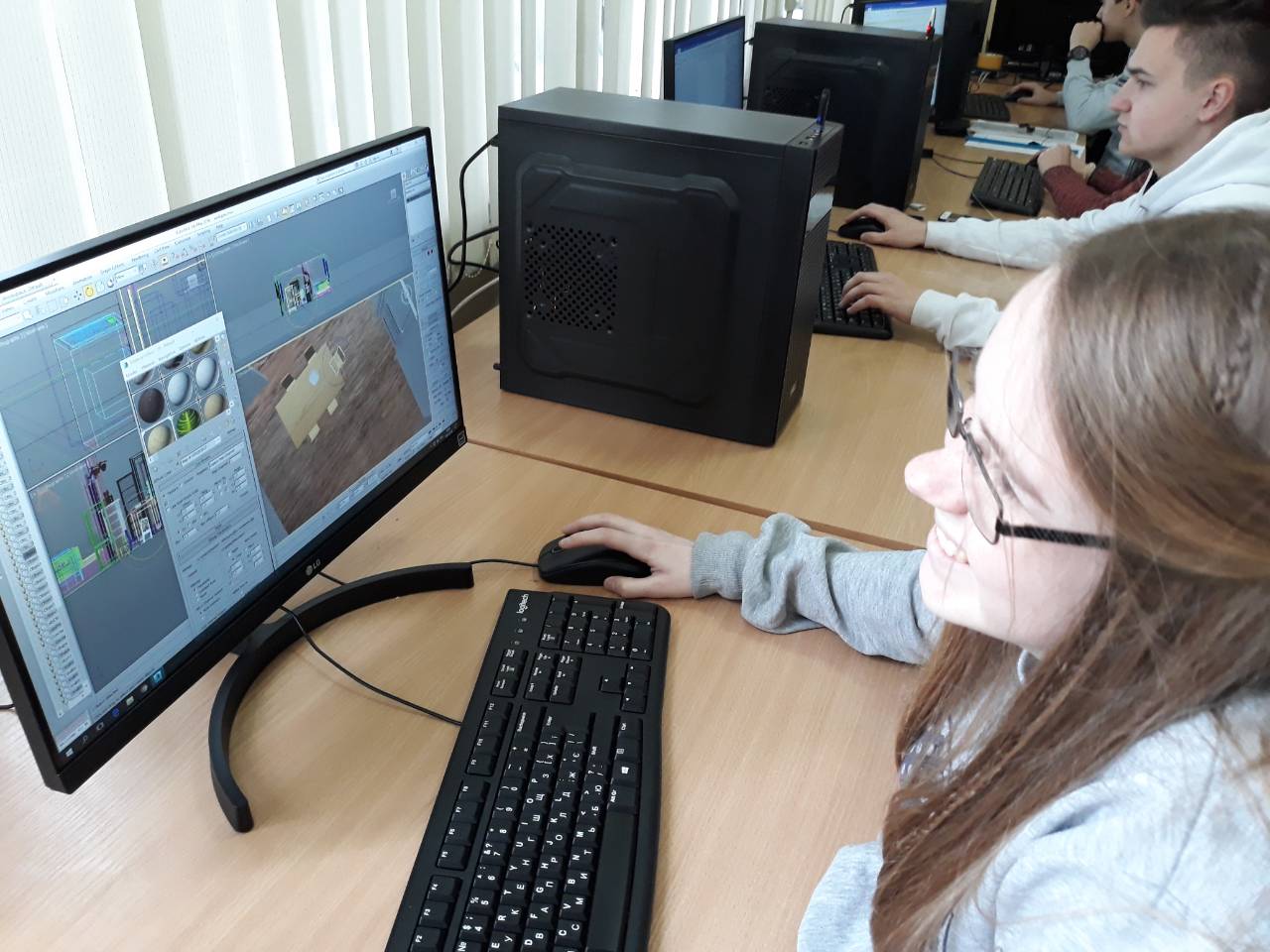
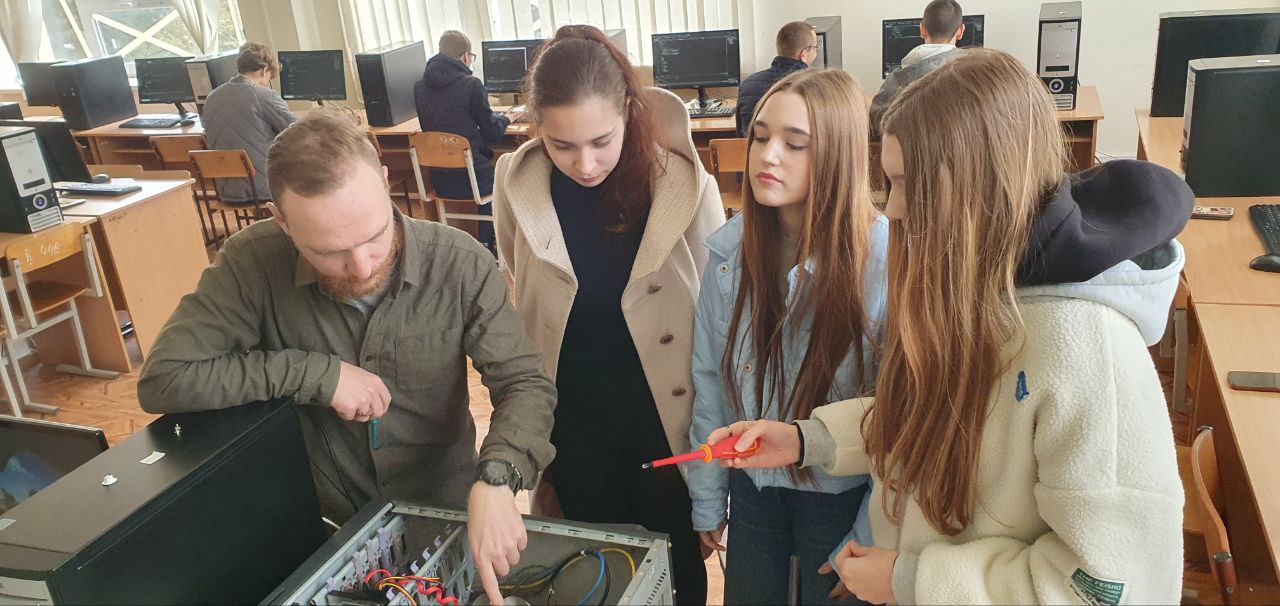
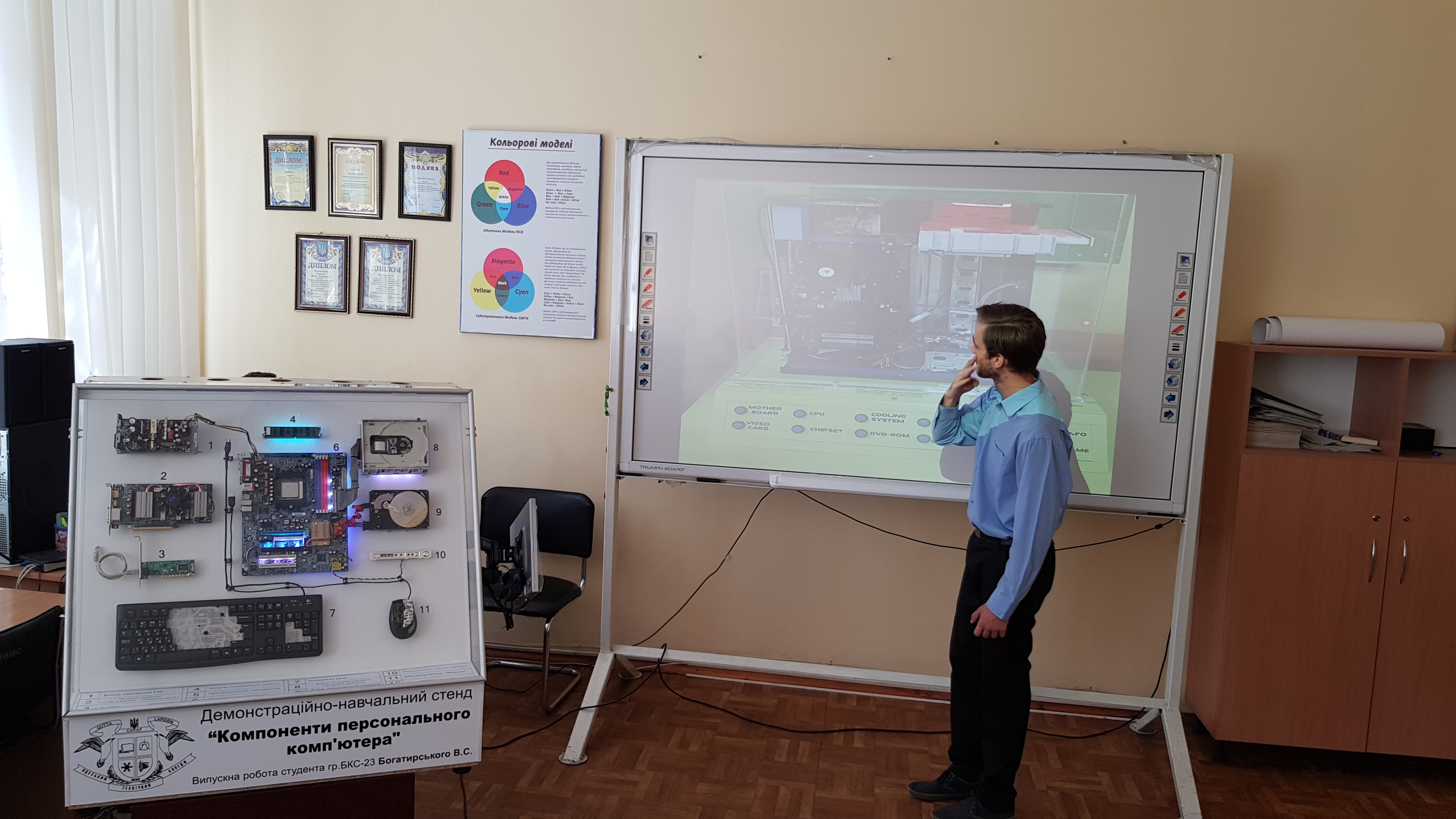
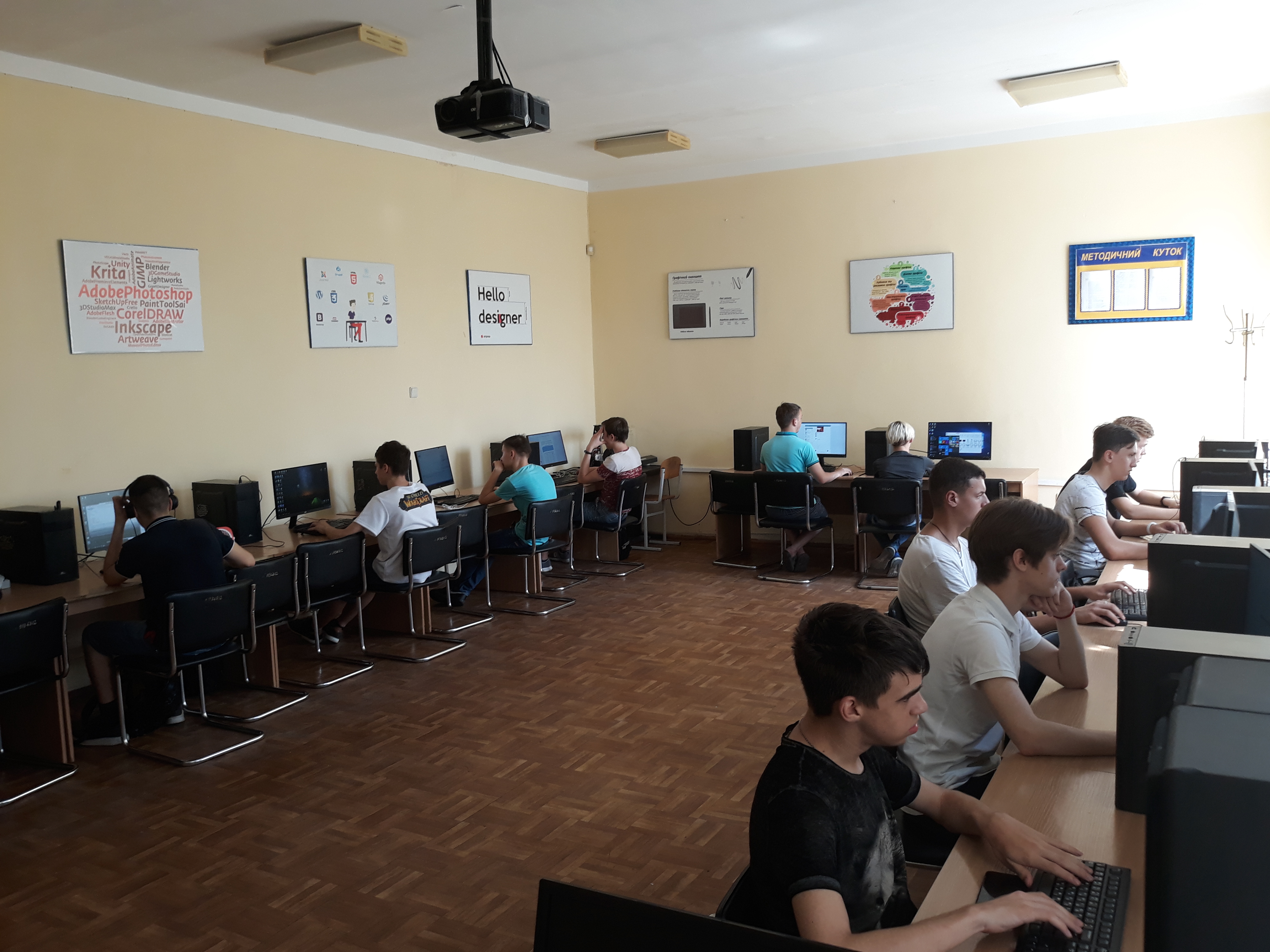
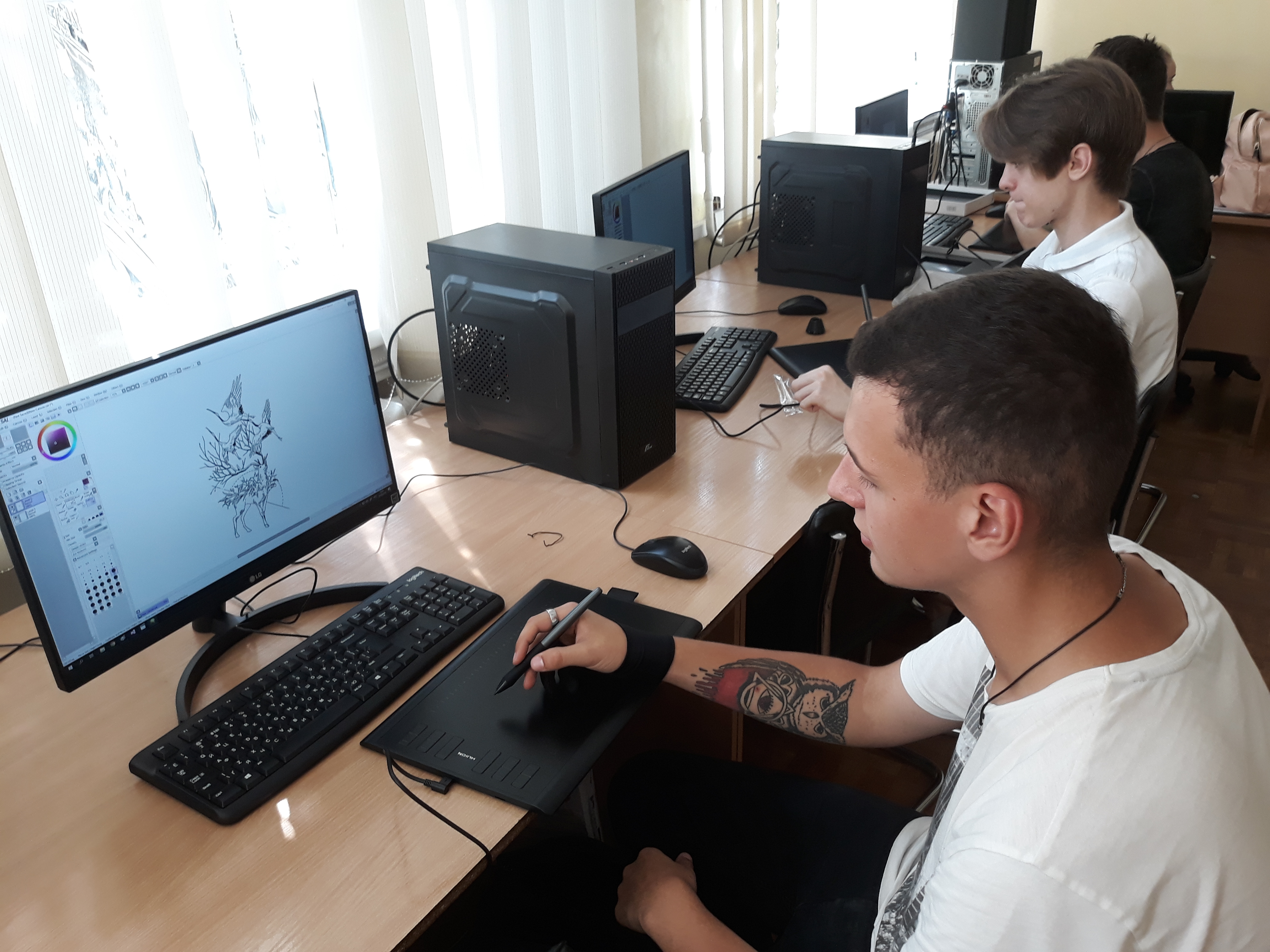
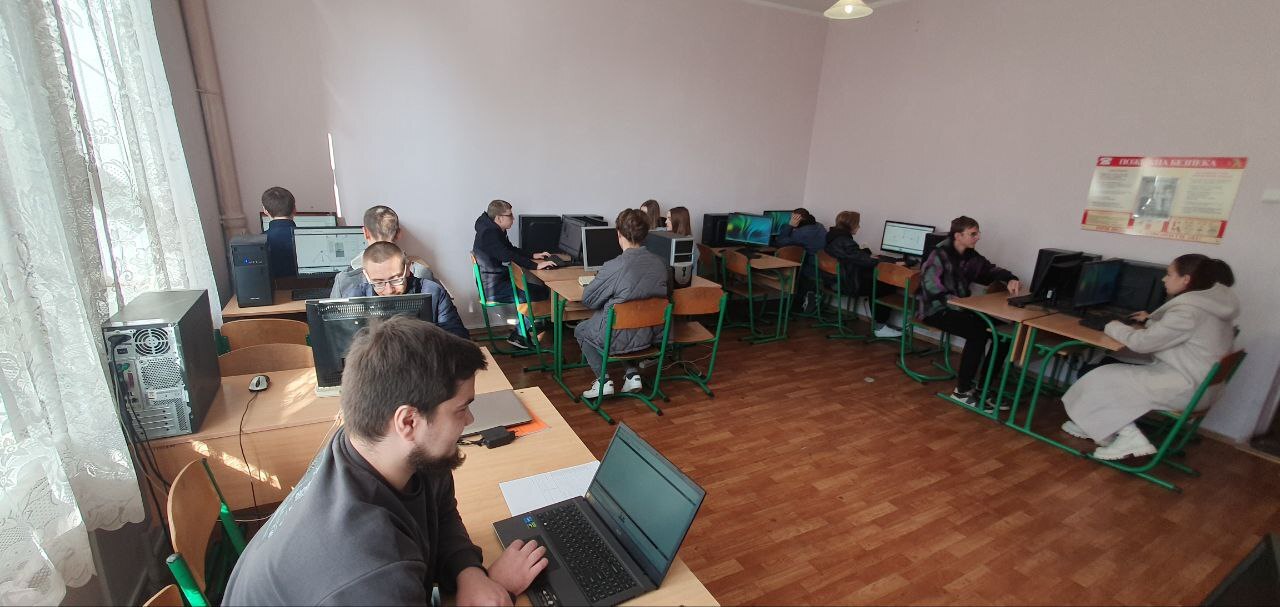
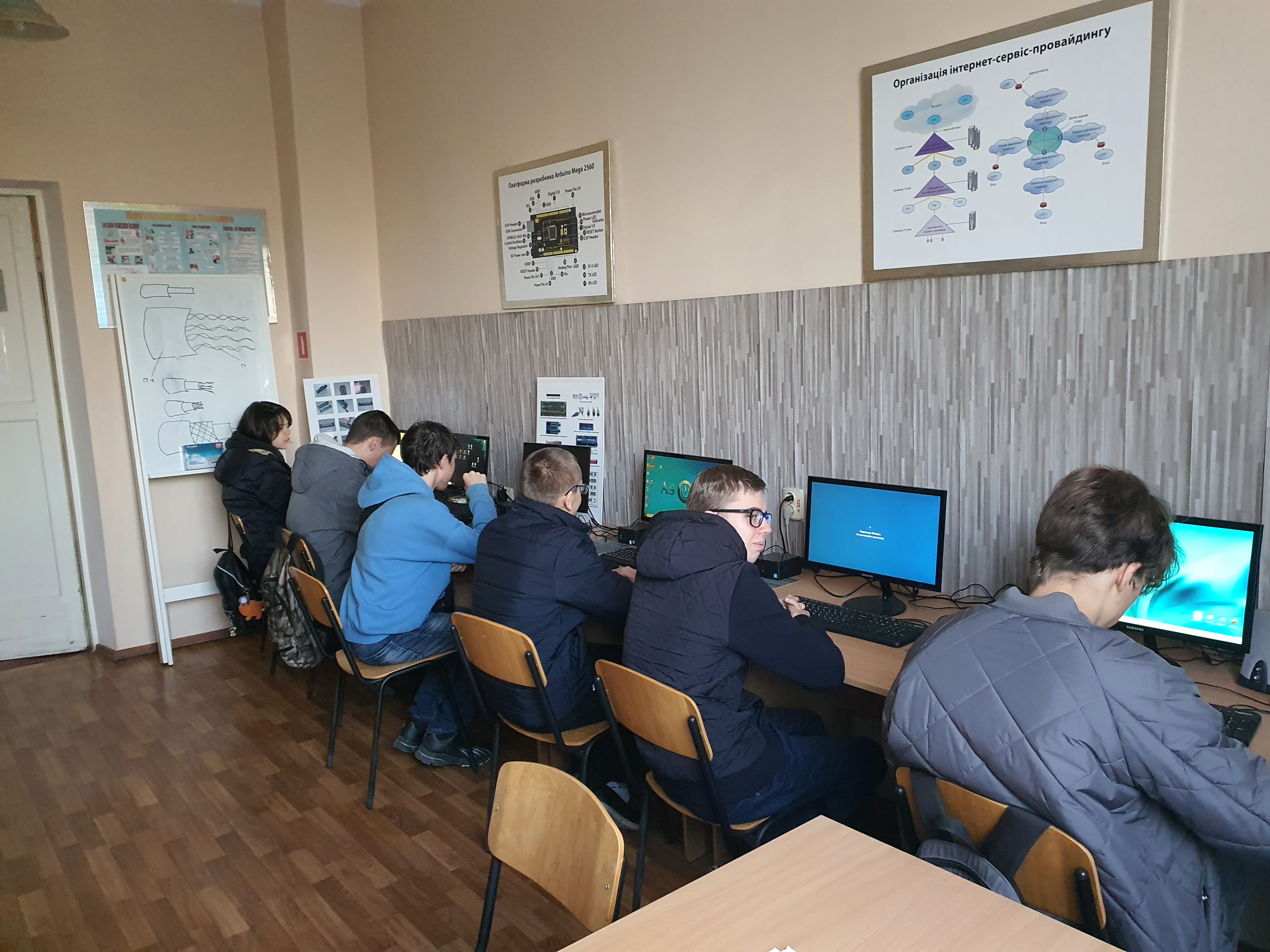
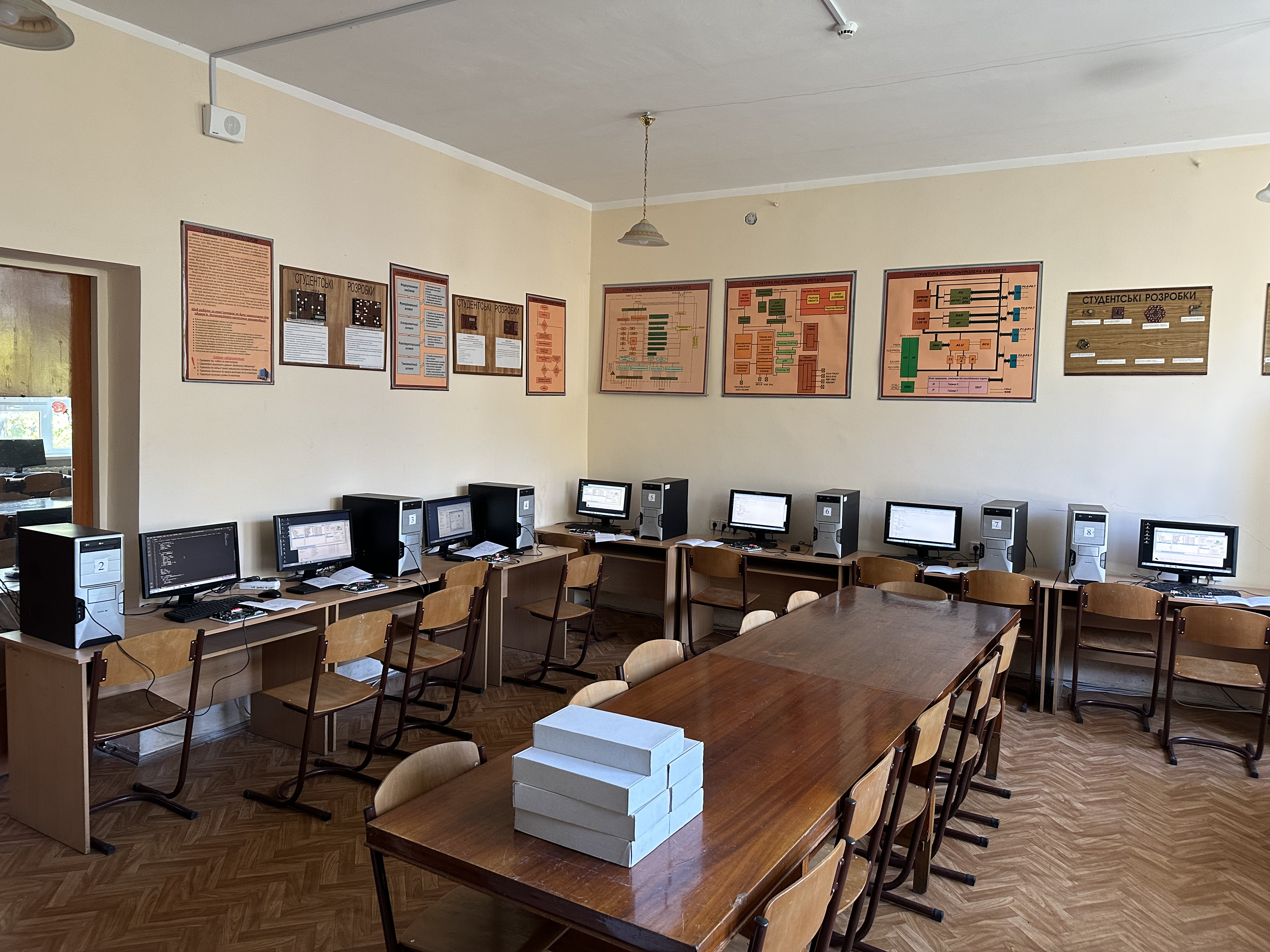
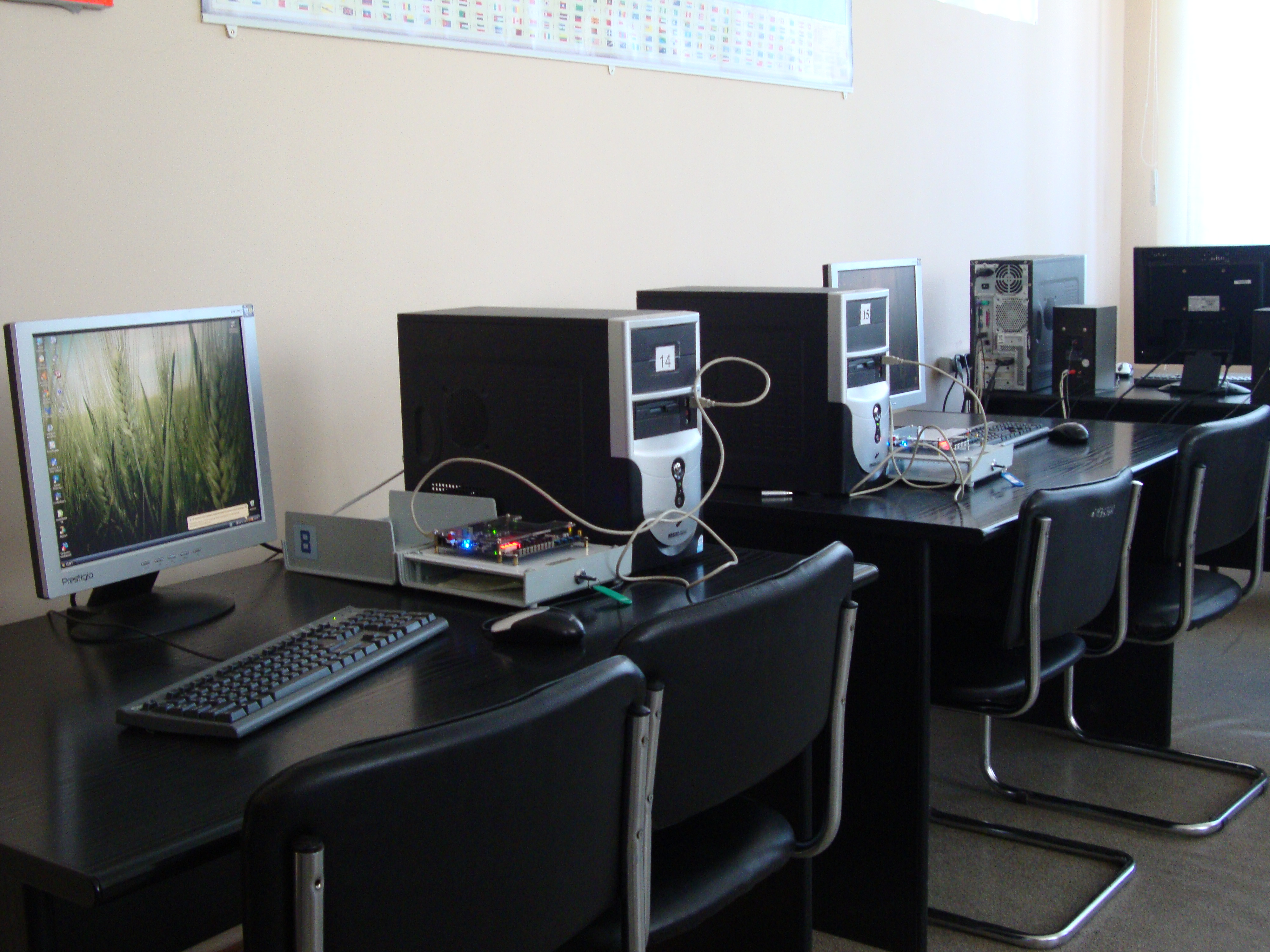
The material resources of the CT and SE Committee are at a high level – classrooms and laboratories equipped with a sufficient number of computers and peripheral devices, local networks with broadband Internet access, and modern training stands.
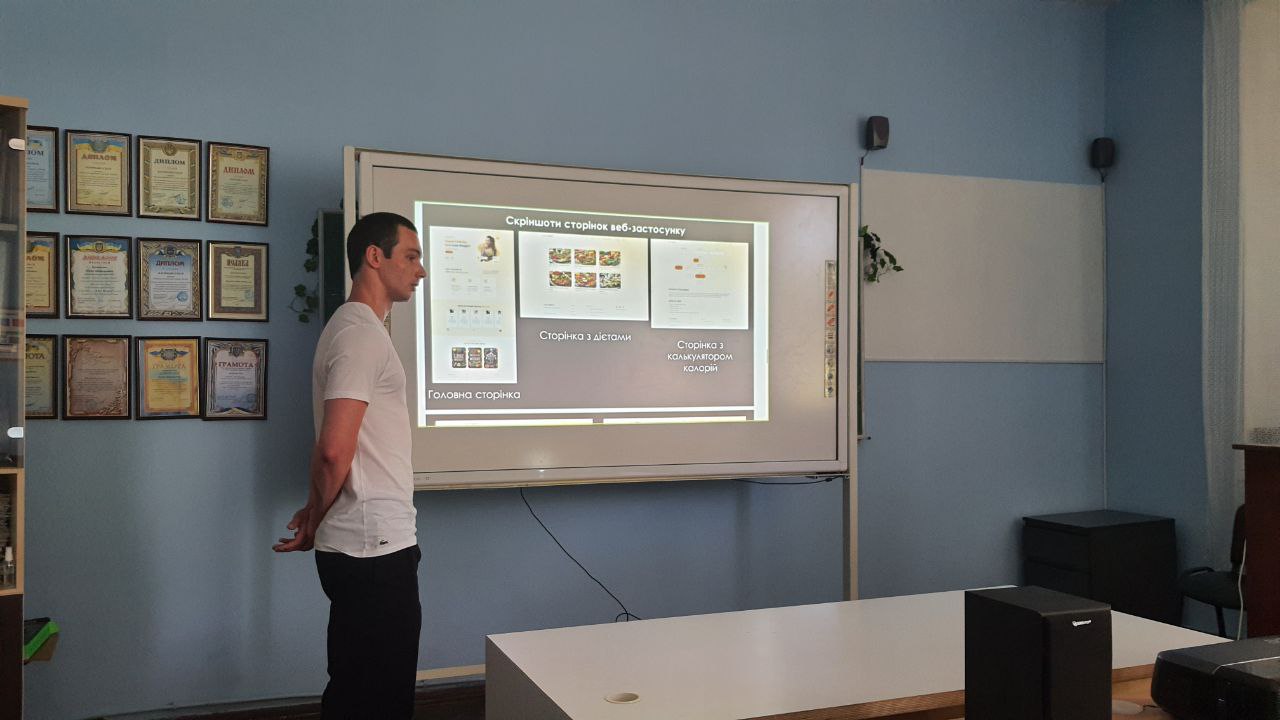
Multimedia equipment is used in the educational process and extracurricular events (student conferences, clubs, meetings, presentations), which helps to improve the quality of learning. Multimedia equipment is used for the defence of graduation and course projects, as well as for video demonstrations of materials from the sites of work placements.
Practical training in the relevant EPPs consists of five types of placements:
- 1) Training placement for acquiring skills and abilities in a working profession
- 2) Programming training placement / Electrical and radio assembly training placement
- 3) Software design training placement / Computer graphics training placement / Training placement in the maintenance and operation of computer networks / Training placement in the maintenance and operation of information security systems
- 4) Work placement
- 5) Pre-graduation placement
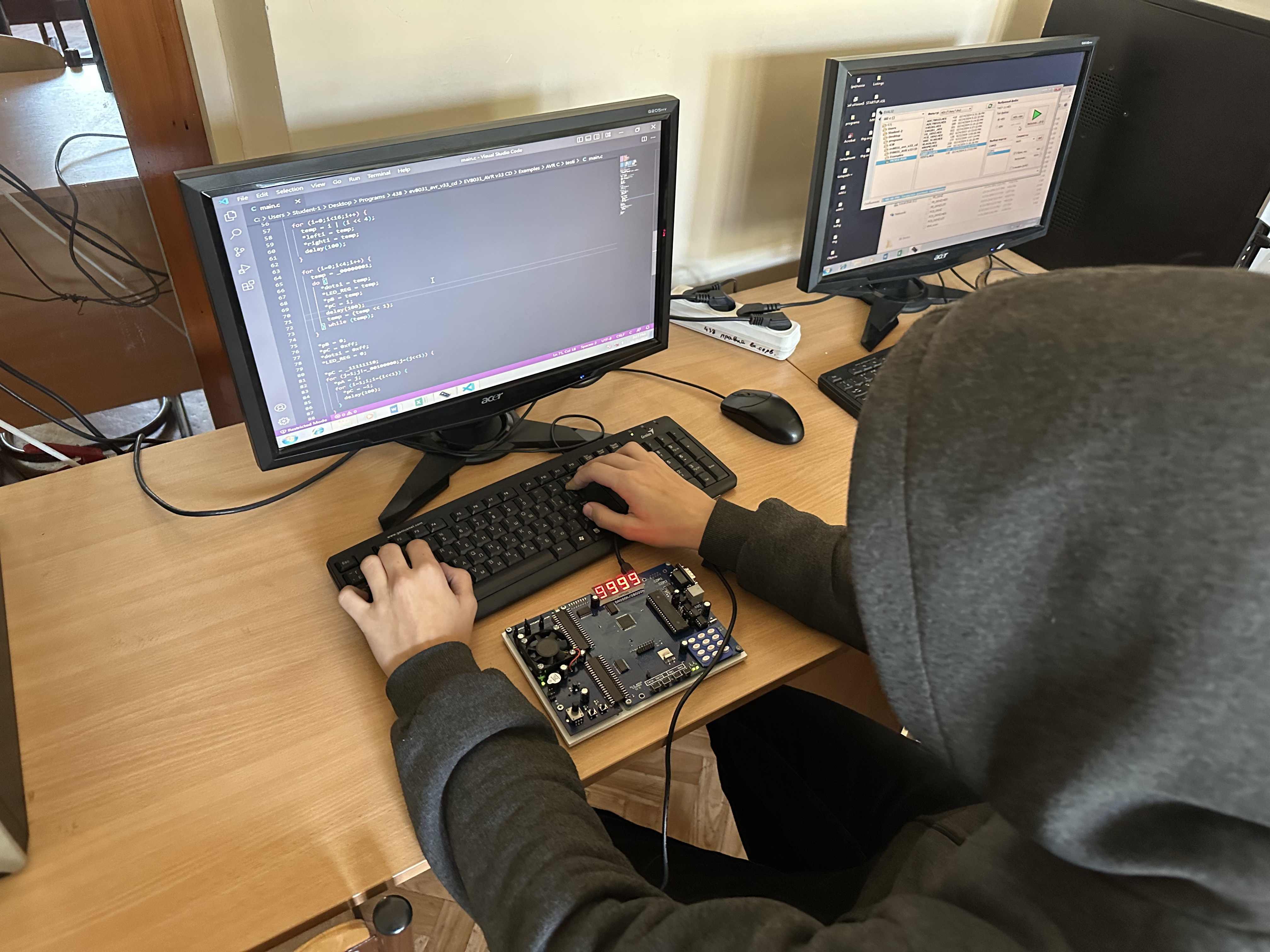
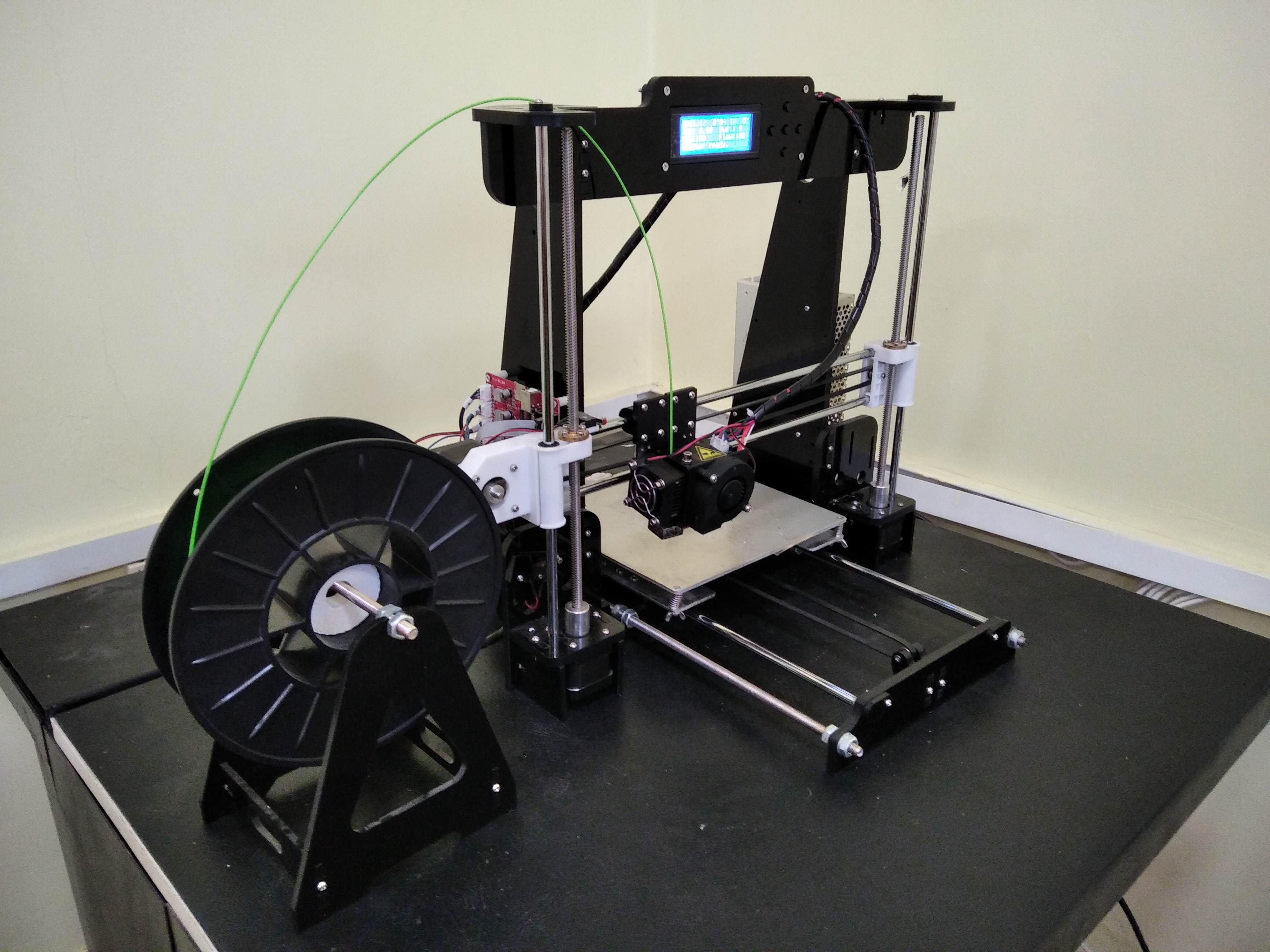
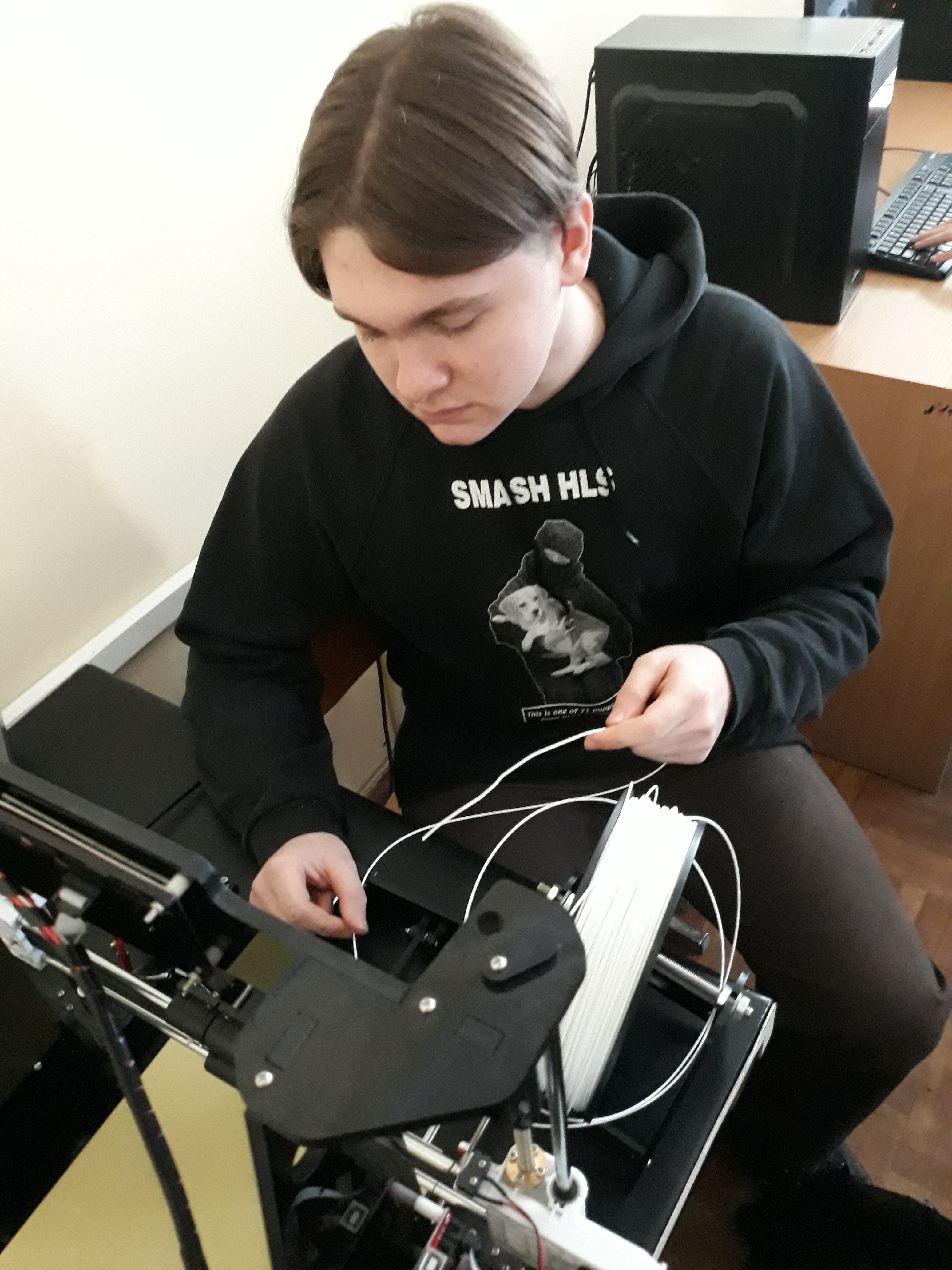
Placements take place in the College’s laboratories and at enterprises in the city of Odesa and the region, where students acquire practical skills and consolidate their theoretical knowledge.
The final stage of training specialists at the College is the state assessment of graduates, conducted through the defence of graduation projects, which makes it possible to determine the level of training in the specialty and systematises and expands students’ theoretical and practical skills.
The College regularly hosts competitions and olympiads in informatics and programming, and the committee’s students take part in regional and All-Ukrainian olympiads.
Dear graduates and prospective employers! If you have any proposals, recommendations or comments, you can write an e-mail to the subject committee: yuriikryvchenko@otfk.ukr.education