
Energy Systems Division
The Energy Systems Division of the Separate Structural Subdivision “Odesa Technical Professional College of ONTU” trains Professio...
Learn more
The Computer Systems Division of the Separate Structural Subdivision “Odesa Technical Professional College of ONTU” trains Professional Junior Bachelors and Bachelors in the following fields and educational programmes:
EDUCATIONAL AND PROFESSIONAL DEGREE “PROFESSIONAL JUNIOR BACHELOR”
(professional pre-higher education)
| Field of knowledge: | 12 – “Information Technology” |
|---|---|
| Specialty: | 121 – “Software Engineering” |
| Educational programme: | “Software Development” |
| Field of knowledge: | 12 – “Information Technology” |
|---|---|
| Specialty: | 123 – “Computer Engineering” |
| Educational programmes: | “Maintenance of Computer Systems and Networks” “Computer Graphics and Web Design” “Security of Computer Systems and Networks” |
EDUCATIONAL LEVEL “BACHELOR”
(basic higher education)
| Field of knowledge: | 12 – “Information Technology” |
|---|---|
| Specialty: | 123 – “Computer Engineering” |
| Educational programme: | “Computer Engineering” |
The Division is headed by Kateryna Hryhorivna Krasnokutska.

The Division has 18 full-time study groups; as of October 2024, the total number of students at the Division is approximately 500.
The Division admits students to obtain the educational and professional degree “Professional Junior Bachelor” (professional pre-higher education):
to Year 1 (for state-funded places and on a fee-paying basis) – on the basis of basic general secondary education (duration of study – 3 years and 10 months), admission based on the results of an interview;
to Year 2 (on a fee-paying basis) – on the basis of complete general secondary education (duration of study – 2 years and 10 months), admission based on a letter of motivation;
to Year 3 (on a fee-paying basis) – on the basis of complete vocational secondary education or the educational and qualification level of skilled worker (duration of study – 1 year and 10 months), admission based on a certificate of completion of professional profile education and training, a skilled worker diploma and a letter of motivation.
Graduates of the Division with the educational and professional degree “Professional Junior Bachelor” who hold the relevant NMT certificates and have successfully passed the professional entrance examination may continue their studies at the College, at Odesa National University of Technology (admission to Year 3) or at another higher education institution of Ukraine (admission to Year 2 or Year 3) to obtain the educational level “Bachelor” (basic higher education), both on a fee-paying basis (Separate Structural Subdivision “Odesa Technical Professional College of ONTU”, Odesa National University of Technology, another higher education institution of Ukraine) and in state-funded places (Odesa National University of Technology, another higher education institution of Ukraine).
The Division admits students to obtain the educational level “Bachelor” (basic higher education) on a fee-paying basis on the basis of the educational and professional degree “Professional Junior Bachelor” or the educational and qualification level “junior specialist” (duration of study – 2 years and 10 months), admission based on the relevant NMT certificates and a letter of motivation.
Graduates of the Division with the educational level “Bachelor” who have successfully passed the Unified Entrance Examination (UEE) in English and the professional entrance examination may continue their studies at Odesa National University of Technology or another higher education institution of Ukraine to obtain the educational level “Master” (complete higher education), both on a fee-paying basis and in state-funded places.
Students study the main courses of the specialty at the Subject Committee for Computer Technologies and Software Engineering (for the “Professional Junior Bachelor” educational and professional degree) and at the Department of Computer Engineering (for the “Bachelor” educational level), which have the appropriate staff of teaching and academic staff members.
To train a competitive and well-rounded graduate, the study of technical courses is complemented by courses in mathematics, natural sciences, the humanities and social sciences and economics.
In Years 1 and 2, students study the courses of the general education programme together with basic specialised courses and complete a training placement. Study in Year 2 ends with the state final assessment in the form of the NMT and (upon successful completion of the state final assessment) the award of a certificate of complete general secondary education.
In Years 3 and 4, students focus on studying specialised courses in accordance with the chosen educational programme, take examinations, complete course papers and projects, and undertake extended practical training (a training placement at the College and a work placement at leading enterprises in Odesa and the Odesa Region).
Study concludes with the completion and defence of a graduation project (“Professional Junior Bachelor” educational and professional degree) / a qualification thesis (“Bachelor” educational level), after which graduates of the Division receive diplomas confirming the relevant educational and professional degree or educational level.
DESCRIPTION OF THE DIVISION’S SPECIALTIES AND EDUCATIONAL PROGRAMMES
EDUCATIONAL AND PROFESSIONAL DEGREE “PROFESSIONAL JUNIOR BACHELOR”
(professional pre-higher education)
specialty 123 – “COMPUTER ENGINEERING”
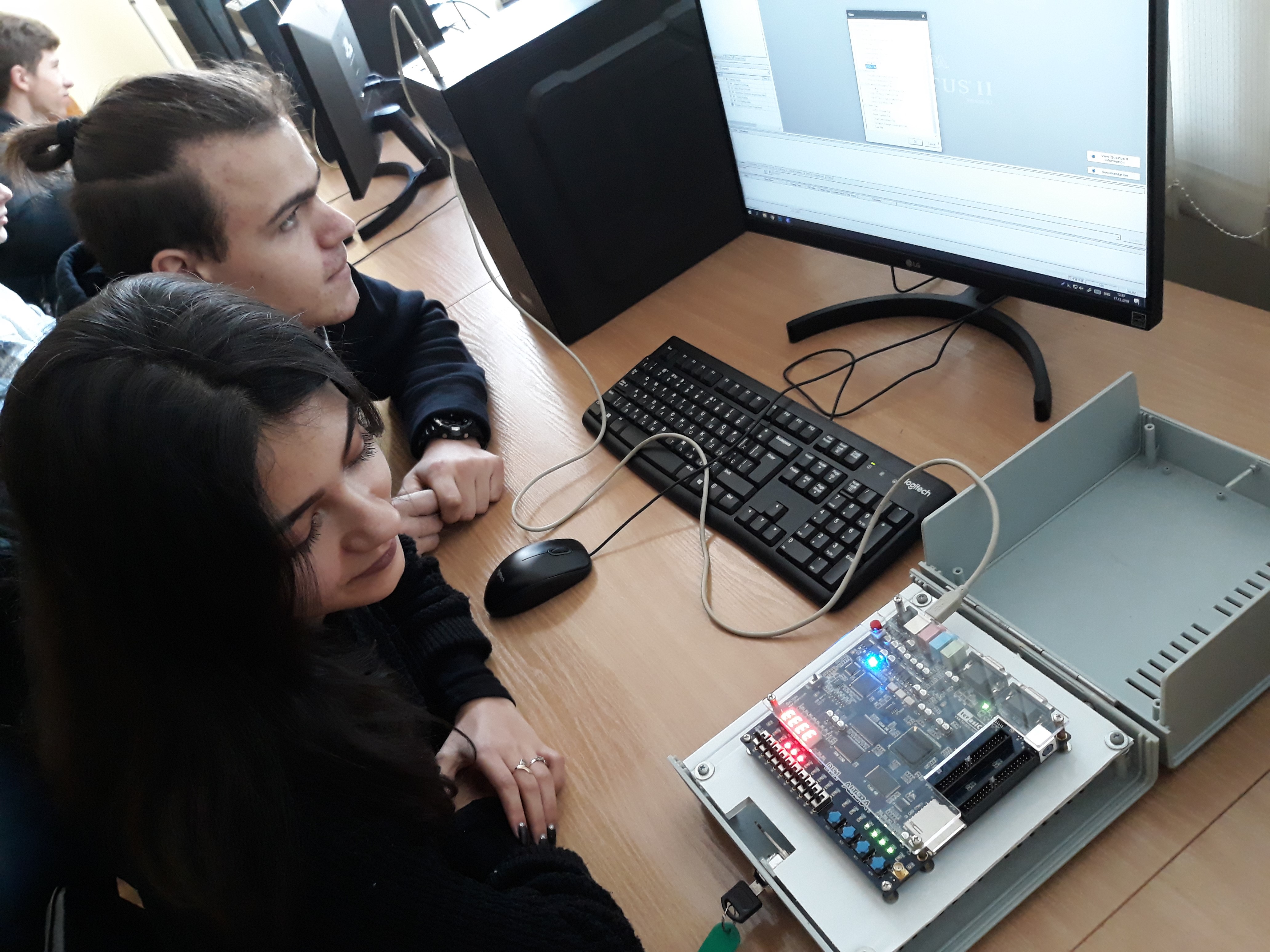
The educational programme “MAINTENANCE OF COMPUTER SYSTEMS AND NETWORKS” prepares students for work in fields related to:
Typical tasks of a computer technology specialist include:
Students following the educational programme “Maintenance of Computer Systems and Networks” study:
A Professional Junior Bachelor in the maintenance of computer systems and networks is prepared for professional activity at enterprises engaged in:
Graduates trained under the educational programme “Maintenance of Computer Systems and Networks” may work:
Graduates trained under the educational programme “Maintenance of Computer Systems and Networks” may hold the following positions:
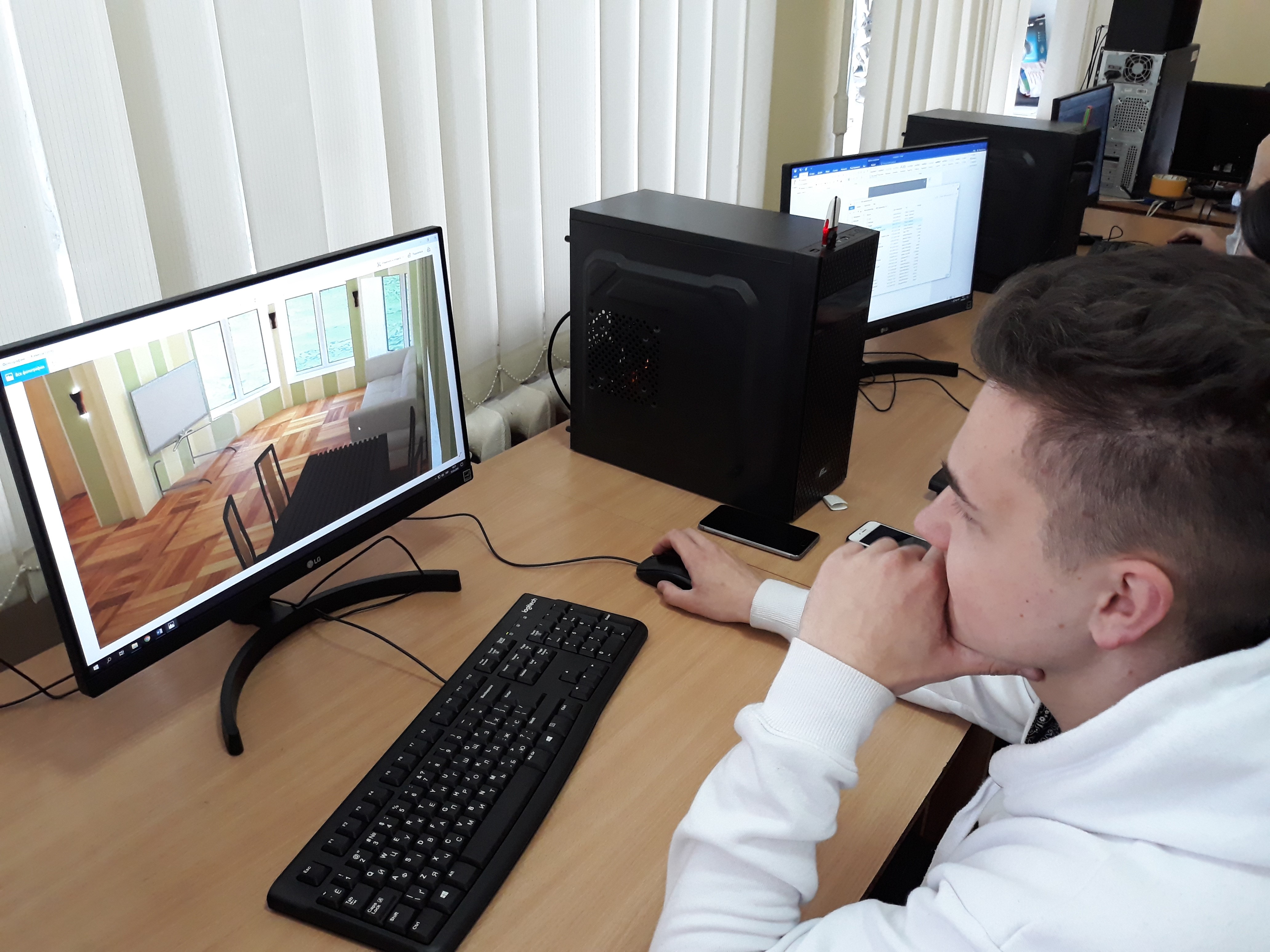
The educational programme “COMPUTER GRAPHICS AND WEB DESIGN” gives students knowledge of the construction and technical and operational characteristics of modern computer systems and networks; prepares them for professional command of hardware and software tools for computer graphics; of tools for designing, developing and laying out websites; of the fundamentals of web programming and of working with databases on the Internet; and prepares graduates for work in fields related to:
A specialist in computer graphics and Web design can find employment in television, animation and video studios, design bureaus and design departments, and in firms and enterprises engaged in:
Graduates trained under the educational programme “Computer Graphics and Web Design” may hold the following positions:

The educational programme “SECURITY OF COMPUTER SYSTEMS AND NETWORKS” prepares a specialist to solve a range of problems in telecommunications and informatics related to the assessment and control of the risks that arise when using computers and computer networks, considered from the standpoint of confidentiality, integrity and availability.
Graduates who have studied under the educational programme “Security of Computer Systems and Networks” have the following knowledge and can use:
Graduates who have studied under the educational programme “Security of Computer Systems and Networks” may work in the following areas and sectors:
Graduates who have studied under the educational programme “Security of Computer Systems and Networks” may hold the following positions:
specialty 121 – “SOFTWARE ENGINEERING”

The educational programme “SOFTWARE DEVELOPMENT” prepares students for:
Students following the educational programme “Software Development” study:
While studying under the educational programme “Software Development”, students acquire the following professional competences:
Graduates trained under the educational programme “Software Development” may work:
Graduates trained under the educational programme “Software Development” may hold the following positions:
EDUCATIONAL LEVEL “BACHELOR”
(basic higher education)
specialty 123 – “COMPUTER ENGINEERING”
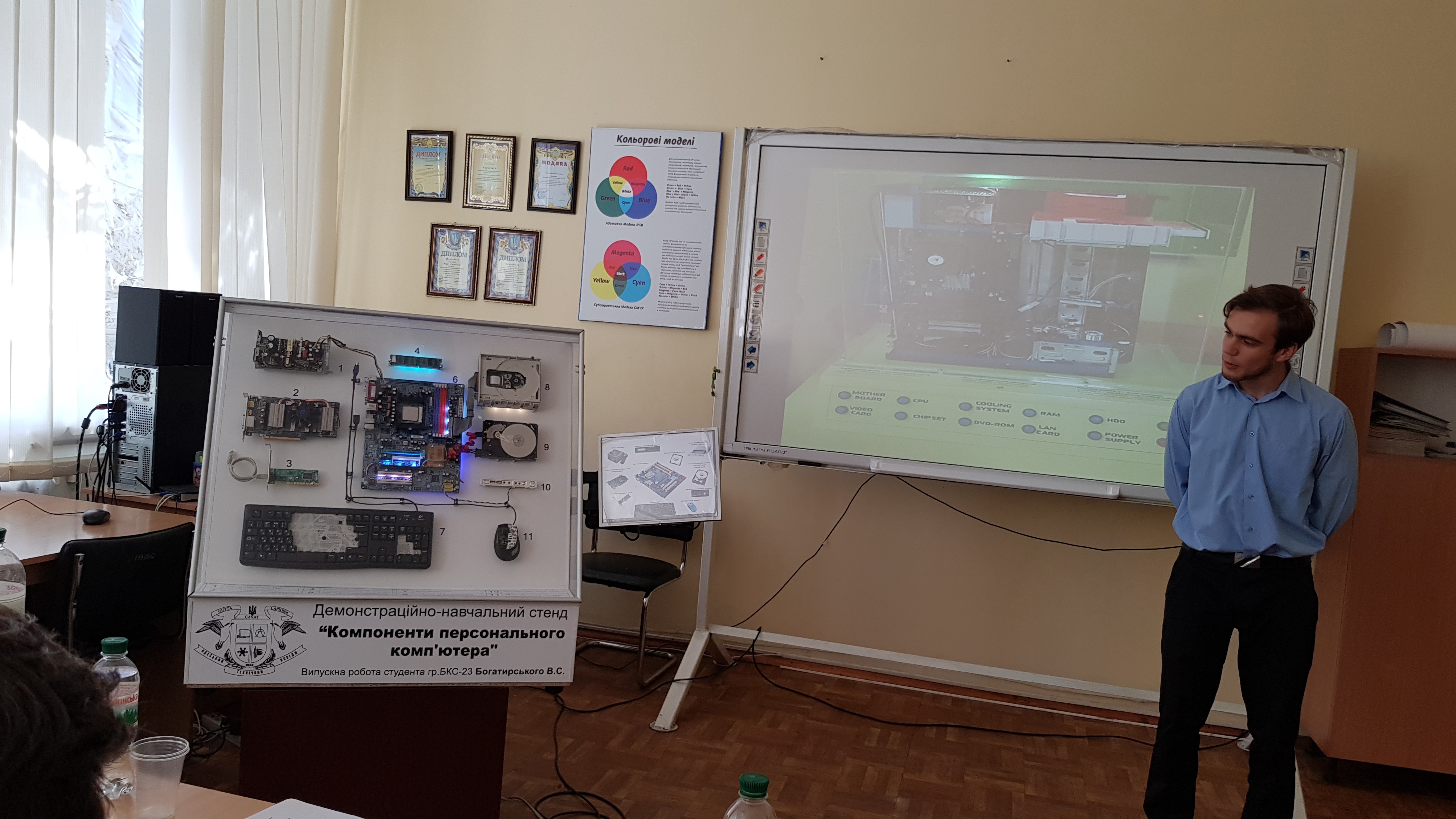
Graduates who have studied under the educational programme “COMPUTER ENGINEERING”, receive the first (Bachelor’s) level of higher education and professional knowledge:
A Bachelor in Computer Engineering:
The Energy Systems Division of the Separate Structural Subdivision “Odesa Technical Professional College of ONTU” trains Professio...
The Economics Division of the Separate Structural Subdivision “Odesa Technical Professional College of ONTU” trains Professional J...
The Technology Division of the Separate Structural Subdivision “Odesa Technical Professional College of ONTU” trains Professional...
Visit statistics
With your consent, we use Google Analytics to understand which pages are useful to visitors. Advertising features are turned off. Declining does not affect the site, and you can change your choice in the footer.